Curating Your Experience
HERITAGE TRAILS
Discover ancient kingdoms, sacred temples, and timeless ruins that tell the glorious history of Sri Lanka.
ANCIENT RUINS
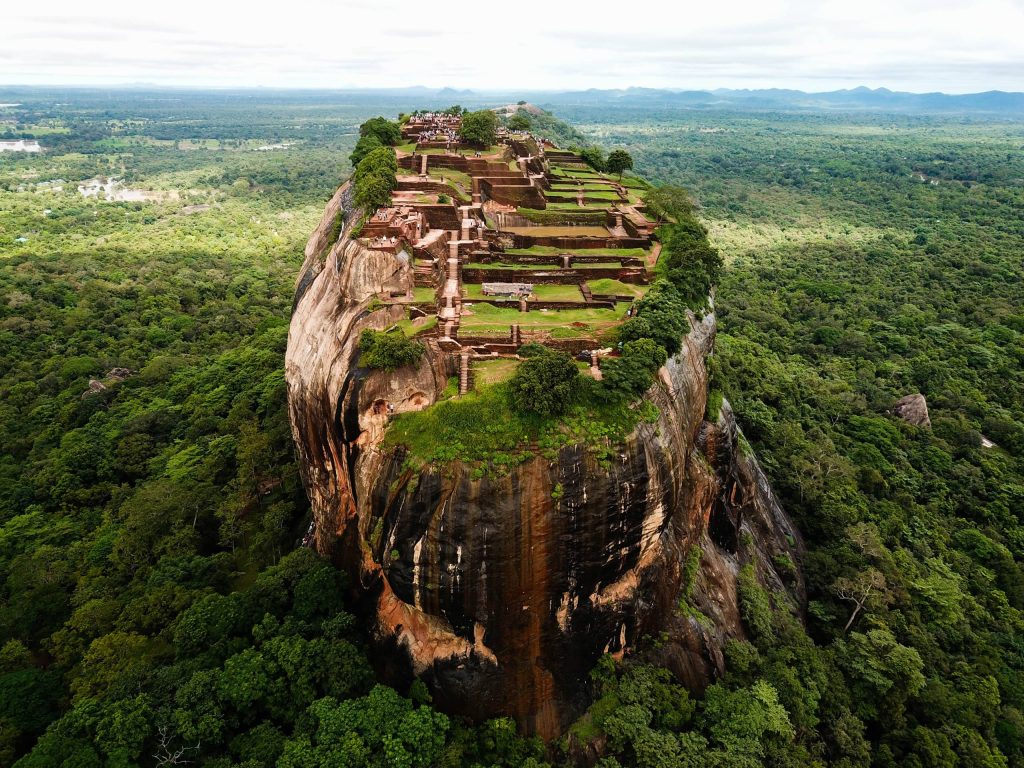
Sigiriya Rock Fortress
Discover
Explore
ANCIENT RUINS
Sigiriya Rock Fortress
Rising 200 metres from the central plains, Sigiriya is Sri Lanka's most iconic landmark. Built by King Kashyapa I in the 5th century, this UNESCO World Heritage Site features magnificent frescoes, mirror walls, and elaborate water gardens at its summit — a masterpiece of ancient urban planning.
ANCIENT RUINS
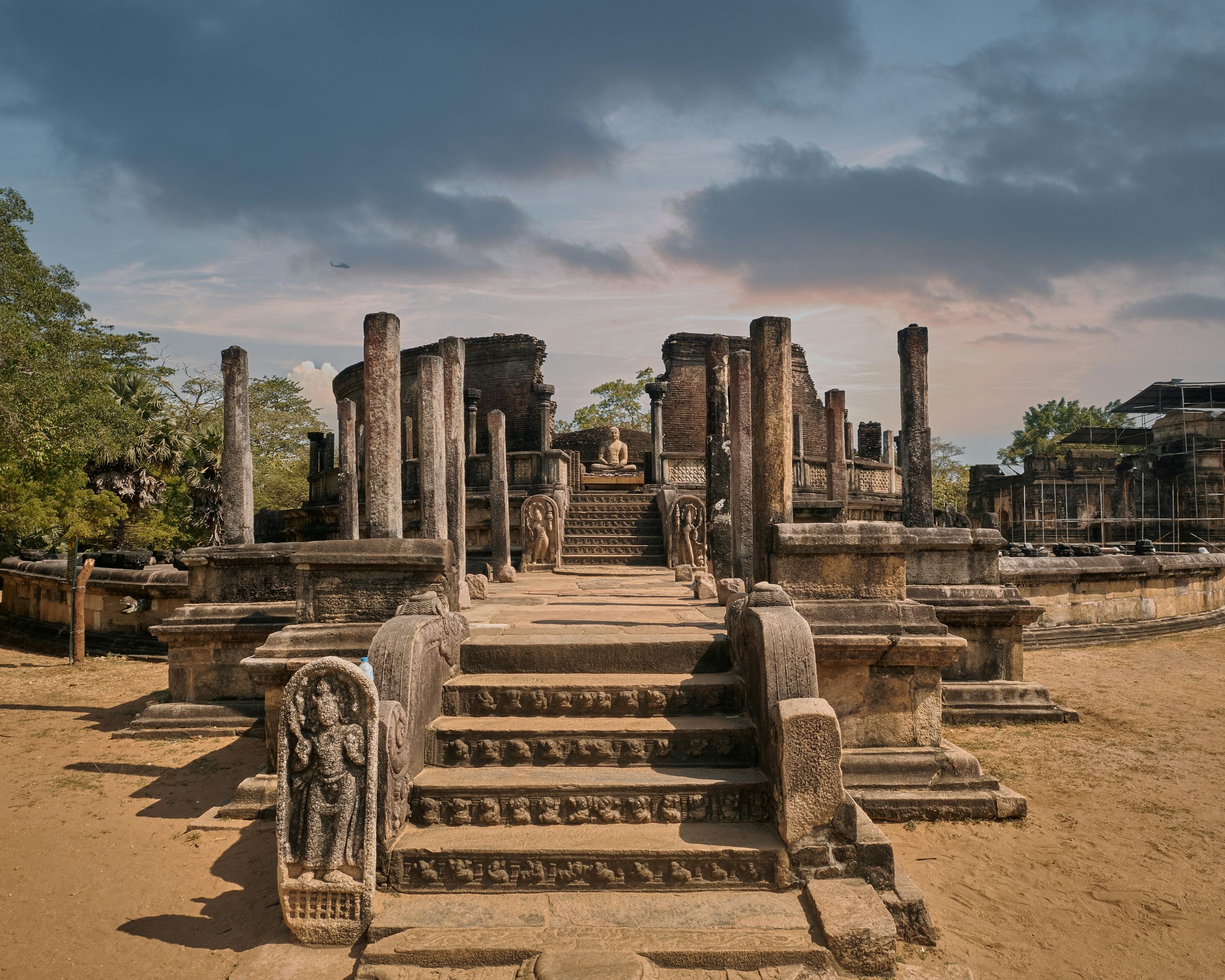
Polonnaruwa Vatadage
Discover
Explore
ANCIENT RUINS
Polonnaruwa Vatadage
The Vatadage is the crown jewel of the ancient city of Polonnaruwa, built in the 12th century to house Sri Lanka's most sacred relic — the Tooth of the Buddha. This circular relic house features four Buddha statues facing the cardinal directions, surrounded by intricate moonstone carvings of exceptional beauty.
ANCIENT RUINS
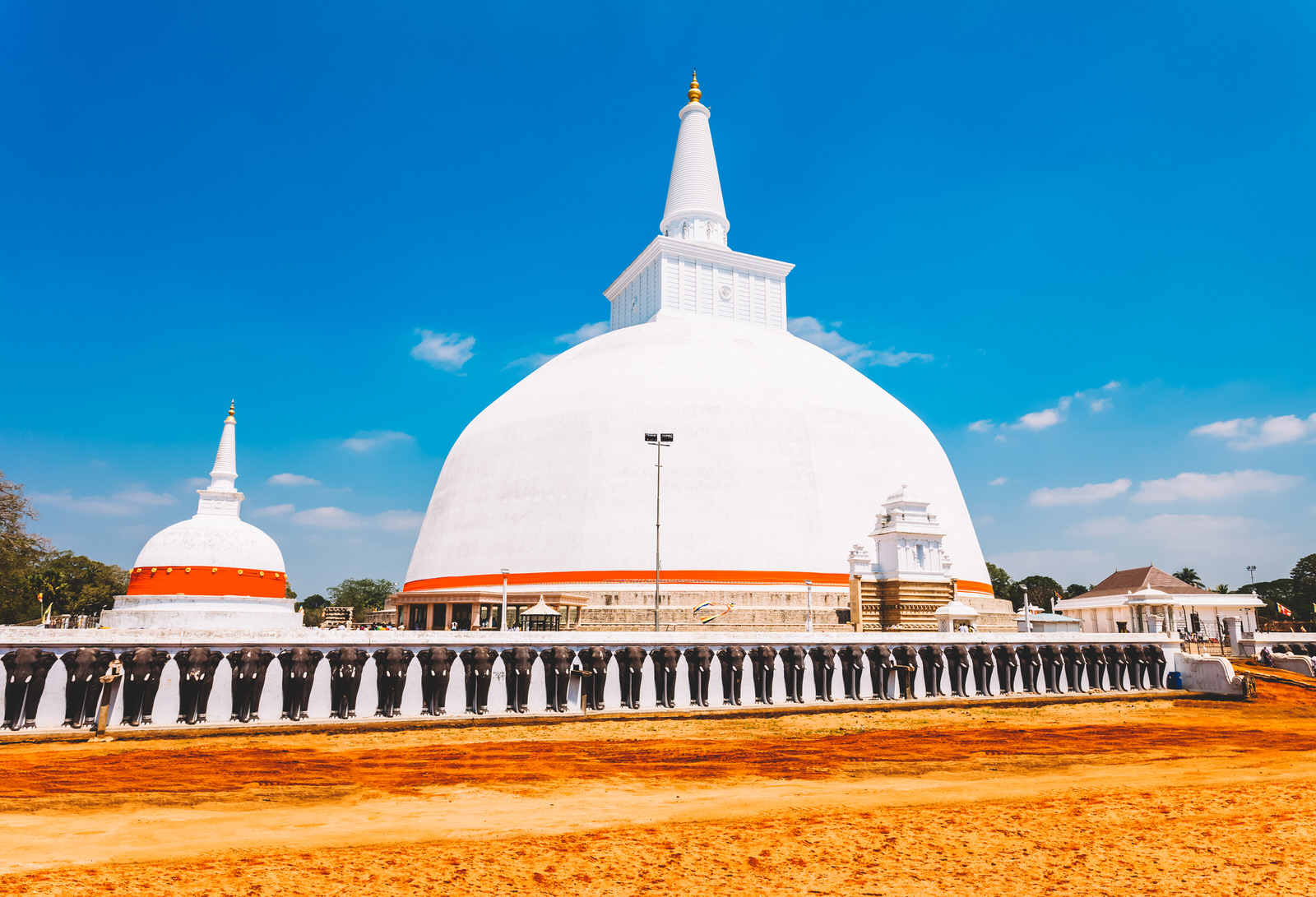
Ruwanwelisaya Stupa
Discover
Explore
ANCIENT RUINS
Ruwanwelisaya Stupa
One of the greatest stupas in the ancient world, the Ruwanwelisaya in Anuradhapura was built by King Dutugemunu around 140 BC. Standing nearly 103 metres tall, it is considered one of the wonders of the ancient Buddhist world and remains one of the most sacred sites in Sri Lanka.
TEMPLES
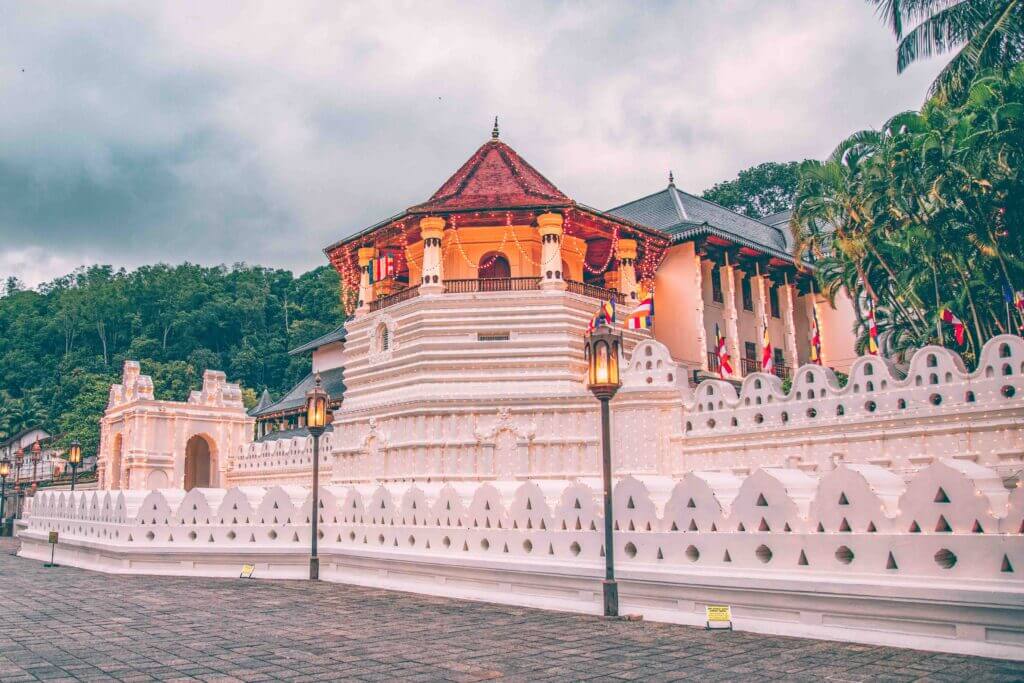
Temple of the Sacred Tooth Relic
Discover
Explore
TEMPLES
Temple of the Sacred Tooth Relic
Located in the Royal Palace complex of Kandy, the Sri Dalada Maligawa houses the relic of the tooth of the Buddha, making it the most sacred place of worship in Sri Lanka. Recognised as a UNESCO World Heritage Site, the temple draws thousands of pilgrims daily and hosts the spectacular Esala Perahera festival each year.
TEMPLES
Dambulla Cave Temple
Discover
Explore
TEMPLES
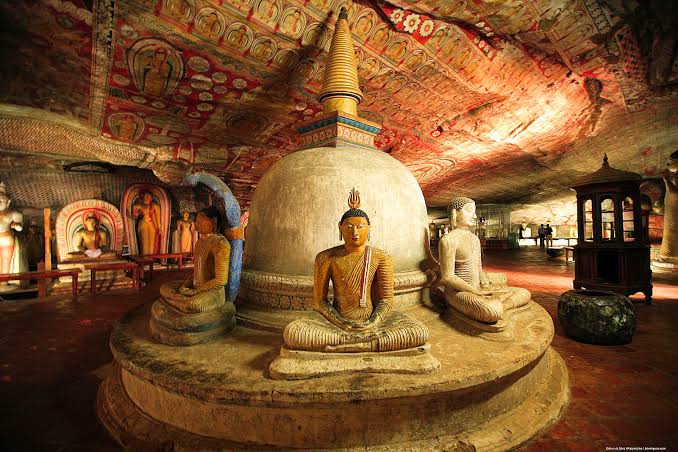
Dambulla Cave Temple
The Dambulla Cave Temple, a UNESCO World Heritage Site, is the largest and best-preserved cave temple complex in Sri Lanka. Five caves containing 153 Buddha statues and 2,100 square metres of murals have been revered for over 22 centuries, making it one of the most visited pilgrimage sites on the island.
LANDMARKS
Galle Dutch Fort
Discover
Explore
LANDMARKS
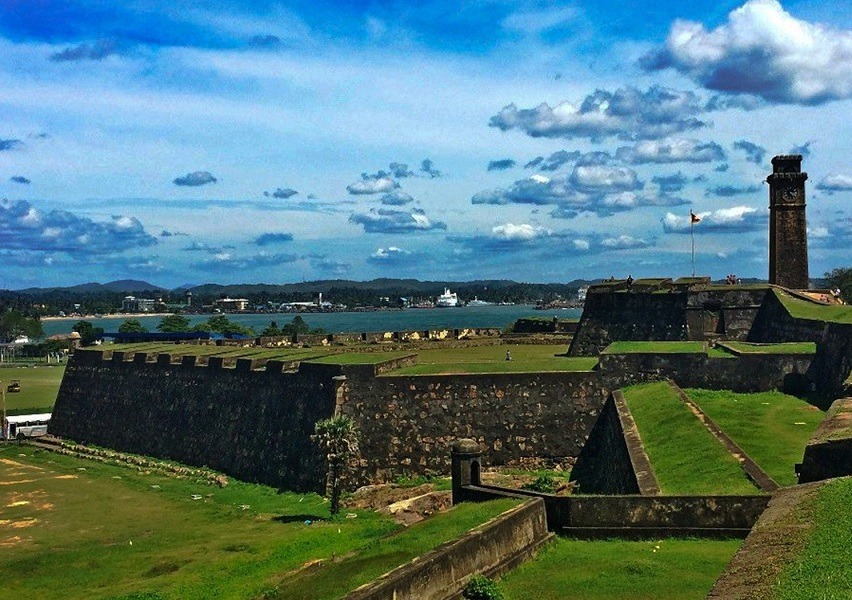
Galle Dutch Fort
The Galle Fort, built initially by the Portuguese in 1588 and later fortified by the Dutch East India Company in the 17th century, is the best-preserved sea fort in Asia. A UNESCO World Heritage Site, its cobblestone streets are lined with colonial-era boutiques, art galleries, luxury hotels, and stunning ocean views.
ANCIENT RUINS
Yapahuwa Rock Citadel
Discover
Explore
ANCIENT RUINS
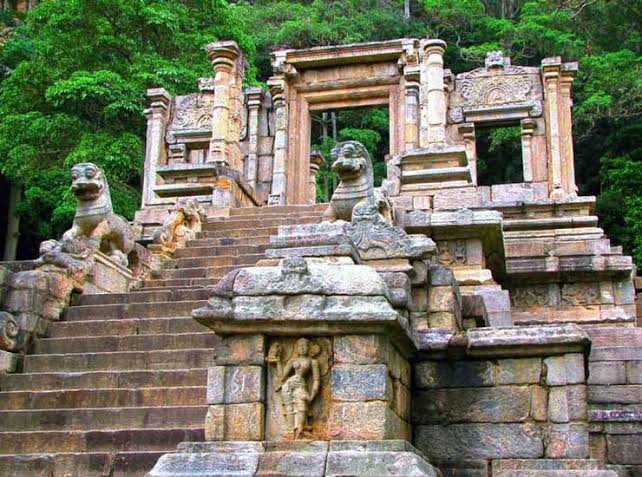
Yapahuwa Rock Citadel
Yapahuwa served as the capital of Sri Lanka and the seat of the Tooth Relic in the 13th century. The dramatic granite outcrop rises 90 metres above the surrounding plains, with a magnificent decorated stairway leading to the royal palace ruins — a remarkable example of Sinhalese medieval architecture.
ANCIENT RUINS
Mihintale
Discover
Explore
ANCIENT RUINS
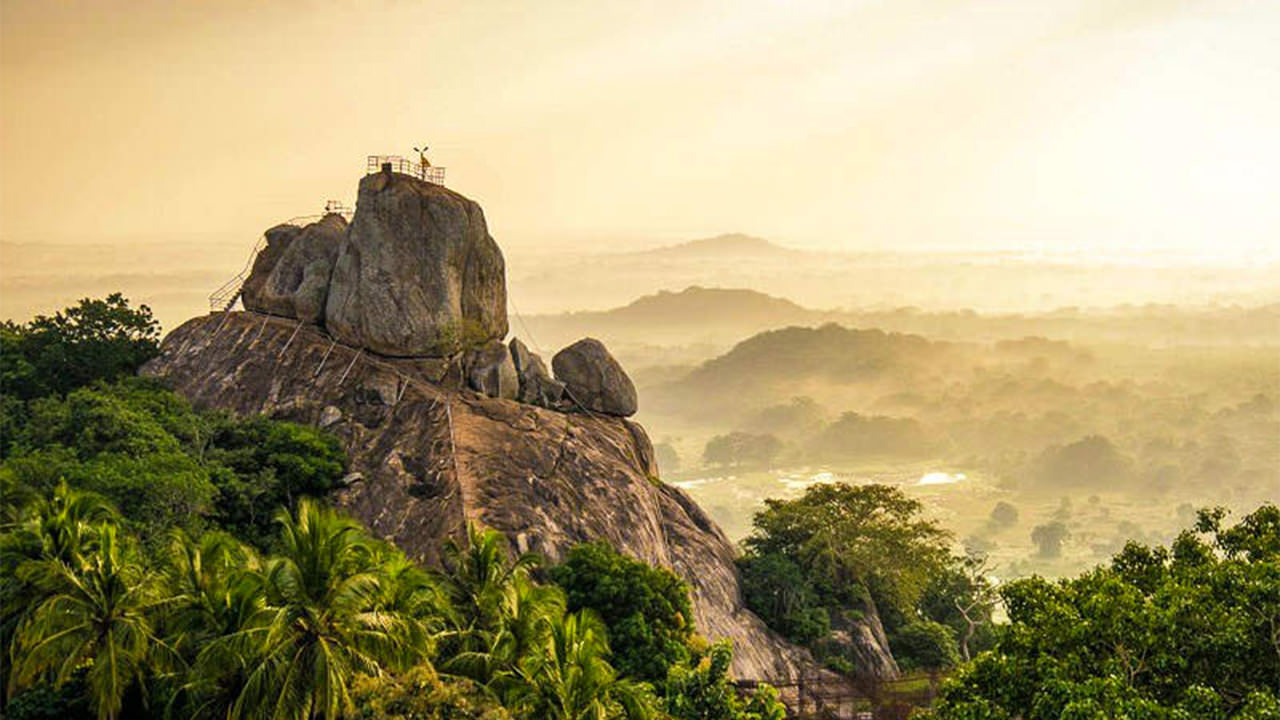
Mihintale
Considered the cradle of Buddhism in Sri Lanka, Mihintale is where Prince Mahinda, son of Emperor Ashoka, introduced Buddhism to King Devanampiyatissa in 247 BC. The sacred mountain complex features 1,840 granite steps leading to a series of ancient stupas, caves, and refectories spread across the hilltop.
LANDMARKS
Aukana Buddha Statue
Discover
Explore
LANDMARKS
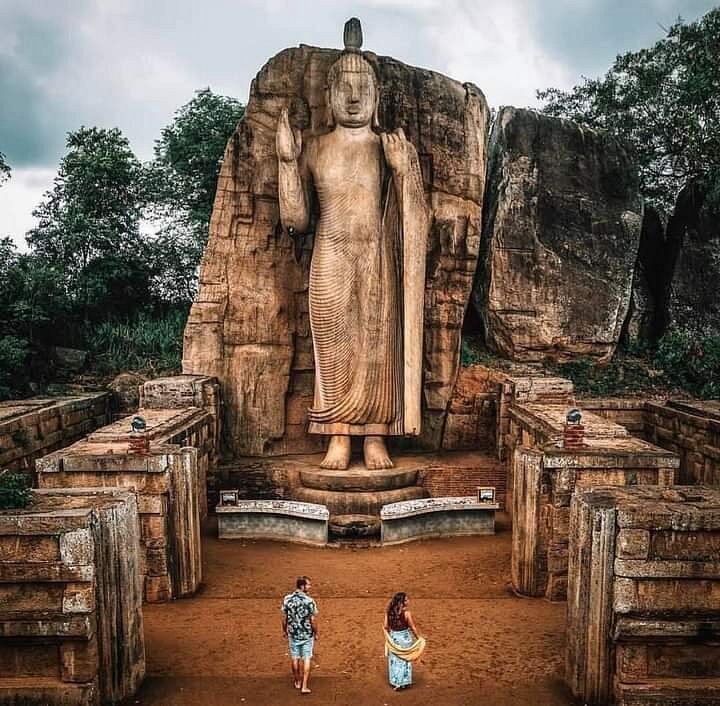
Aukana Buddha Statue
The Aukana statue is a magnificent standing Buddha carved from a single granite rock face, standing 12 metres tall. Built during the reign of King Dhatusena in the 5th century AD, it is considered the finest standing Buddha statue in Sri Lanka. The name 'Aukana' means 'sun eating', as the first rays of dawn illuminate the statue dramatically.
TEMPLES
Gangaramaya Temple
Discover
Explore
TEMPLES
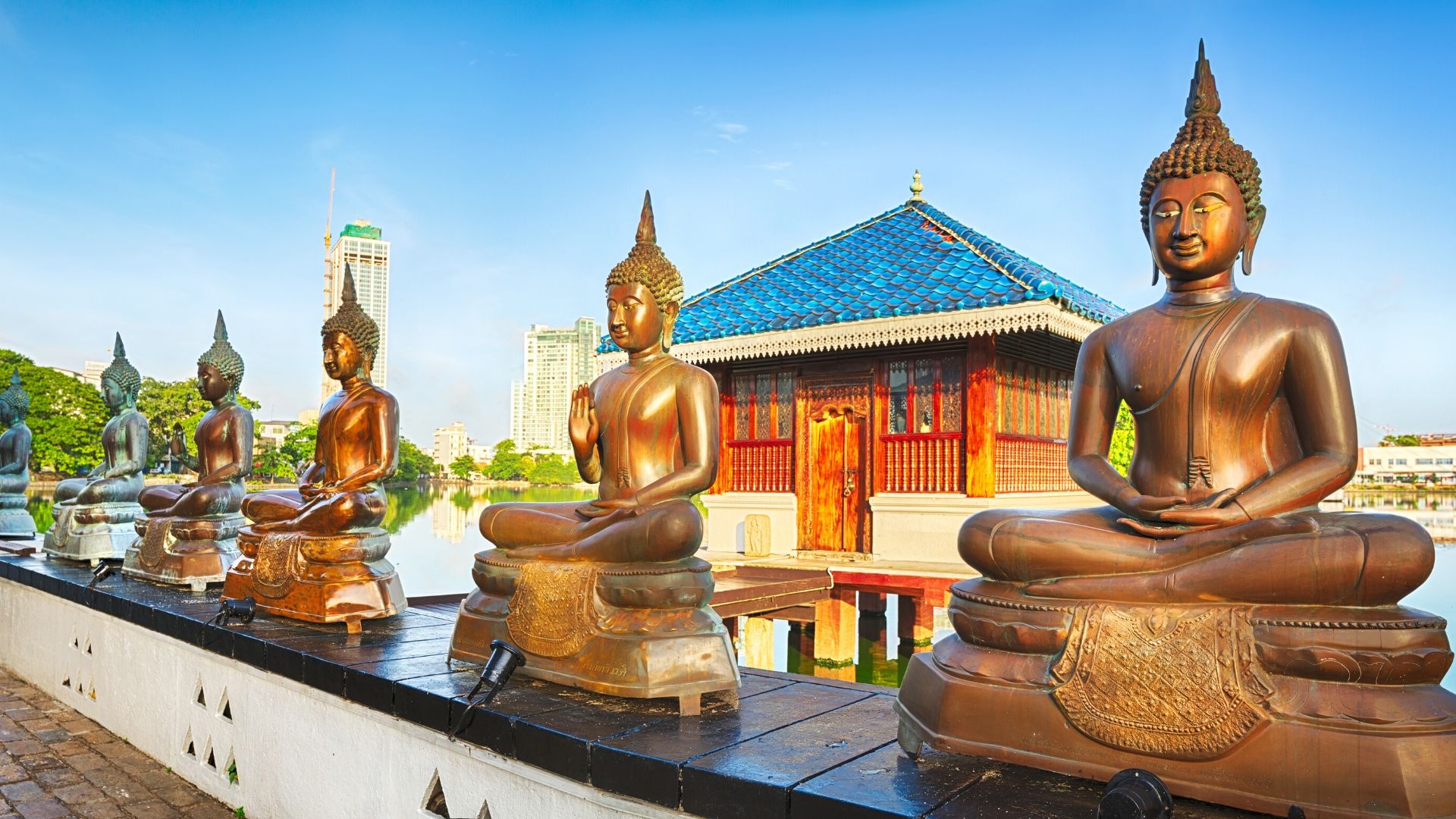
Gangaramaya Temple
Gangaramaya Temple in Colombo is one of the most important temples in Sri Lanka, blending Sri Lankan, Thai, Indian, and Chinese architecture. Established in the late 19th century, it houses an extraordinary museum of Buddha statues, rare artefacts, vintage cars, and gifts from world leaders — a vibrant cultural landmark in the heart of the capital.
ANCIENT RUINS
Abhayagiri Vihāra
Discover
Explore
ANCIENT RUINS
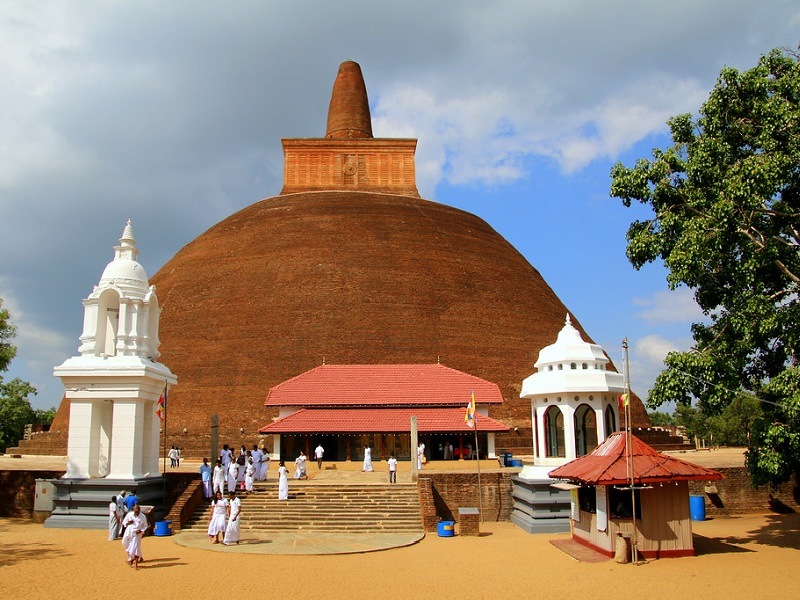
Abhayagiri Vihāra
Abhayagiri was once one of the greatest monastic universities in the ancient world, covering 200 acres in Anuradhapura. Founded in the 1st century BC, this vast complex once housed over 5,000 monks and featured a stupa that rivalled the Egyptian pyramids in scale, making it one of the tallest ancient structures on Earth.
LANDMARKS
Nine Arches Bridge
Discover
Explore
LANDMARKS
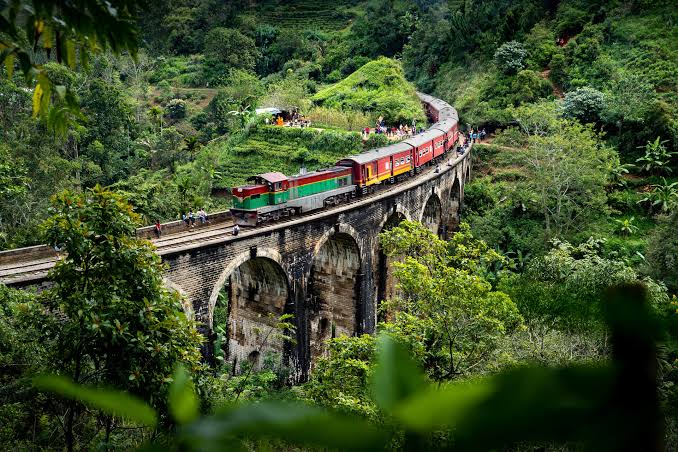
Nine Arches Bridge
Built entirely of brick, stone, and cement without a single piece of steel, the Nine Arches Bridge in Ella is Sri Lanka's most photographed colonial landmark. Completed in 1921, it spans 91 metres across a lush forested gorge, and watching a blue train pass over it at sunrise or sunset is one of the most iconic experiences on the island.
ANCIENT RUINS
Gal Vihara
Discover
Explore
ANCIENT RUINS
Gal Vihara
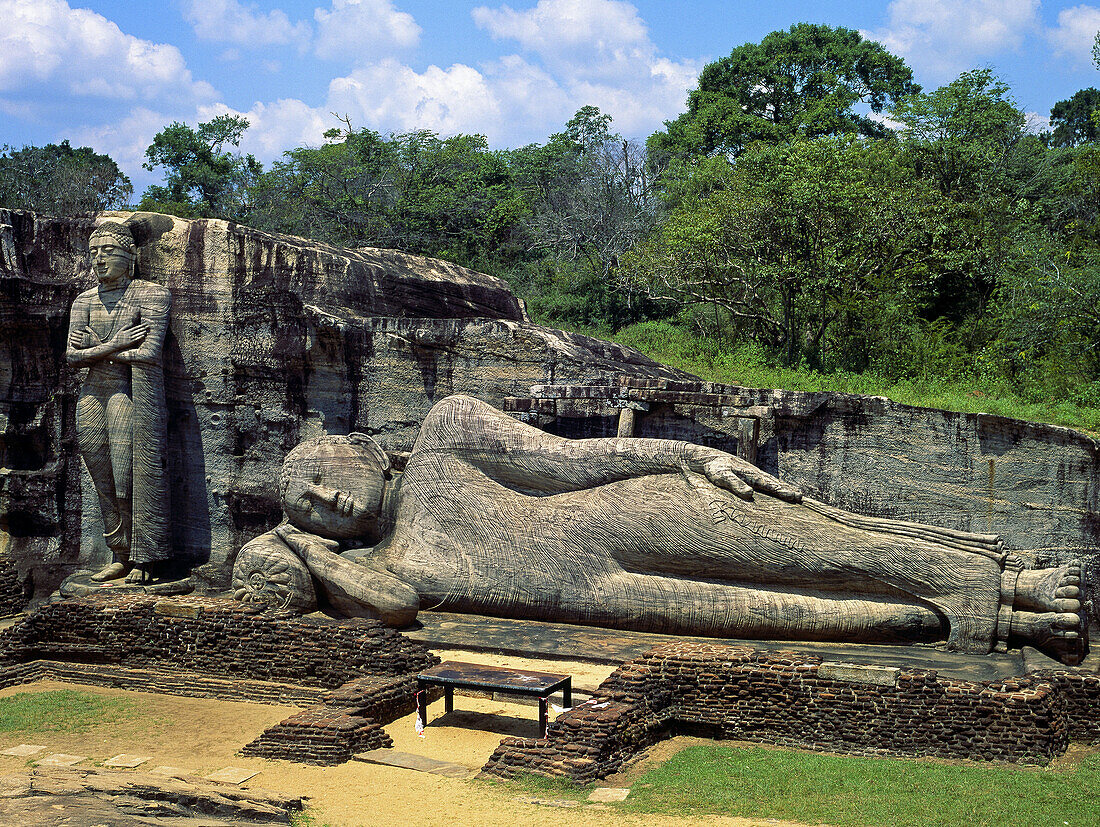
Gal Vihara in Polonnaruwa is a rock temple that features four magnificent Buddha figures carved directly from a single granite face in the 12th century. The largest figure — a 15-metre reclining Buddha entering Parinirvana — is considered a masterpiece of Sri Lankan art and one of the greatest sculptures in the world.
ANCIENT RUINS
Ritigala Forest Monastery
Discover
Explore
ANCIENT RUINS
Ritigala Forest Monastery
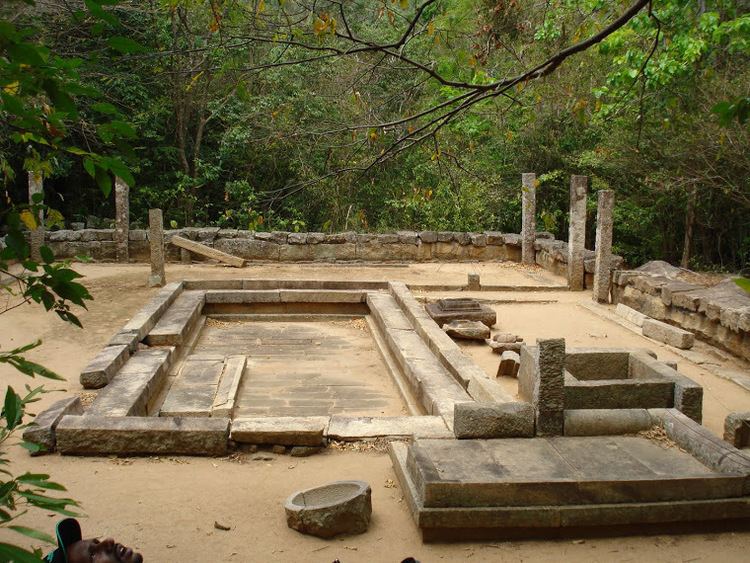
Hidden within a nature reserve of ancient forest, Ritigala is one of Sri Lanka's most atmospheric and least-visited archaeological sites. The ascetic forest monastery, built between the 1st and 9th centuries, features an extraordinary double-platform walkway system connecting meditation chambers — shrouded in mist and legend.
ANCIENT RUINS
Jetavanaramaya
Discover
Explore
ANCIENT RUINS
Jetavanaramaya
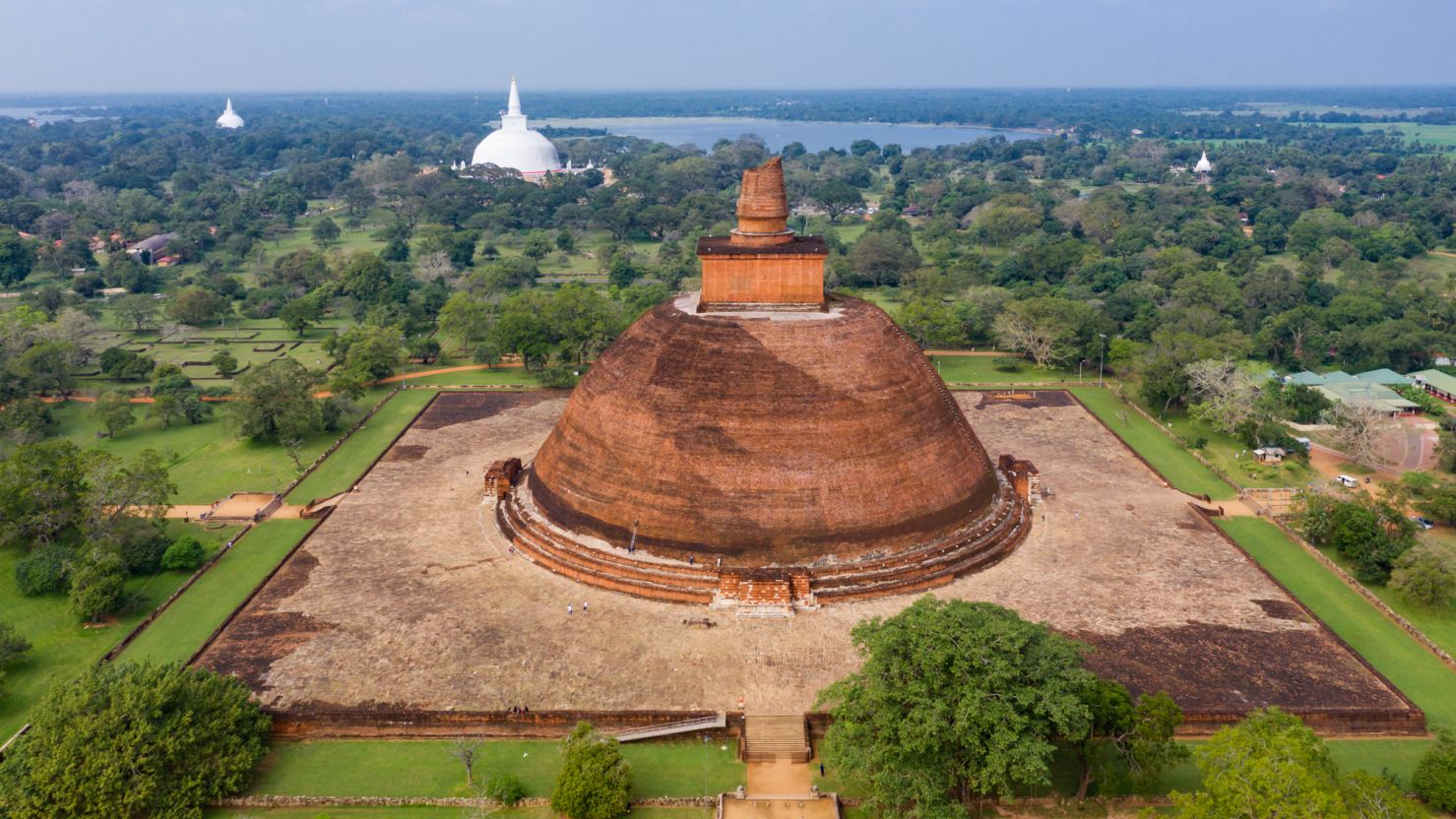
When completed in the 3rd century AD, the Jetavanaramaya in Anuradhapura was the third-tallest structure in the ancient world, soaring to 122 metres. Built by King Mahasena to house a sacred sash of the Buddha, this massive brick stupa required an estimated 93.3 million baked bricks and housed a library of immense historical importance.
LANDMARKS
Independence Square
Discover
Explore
LANDMARKS
Independence Square
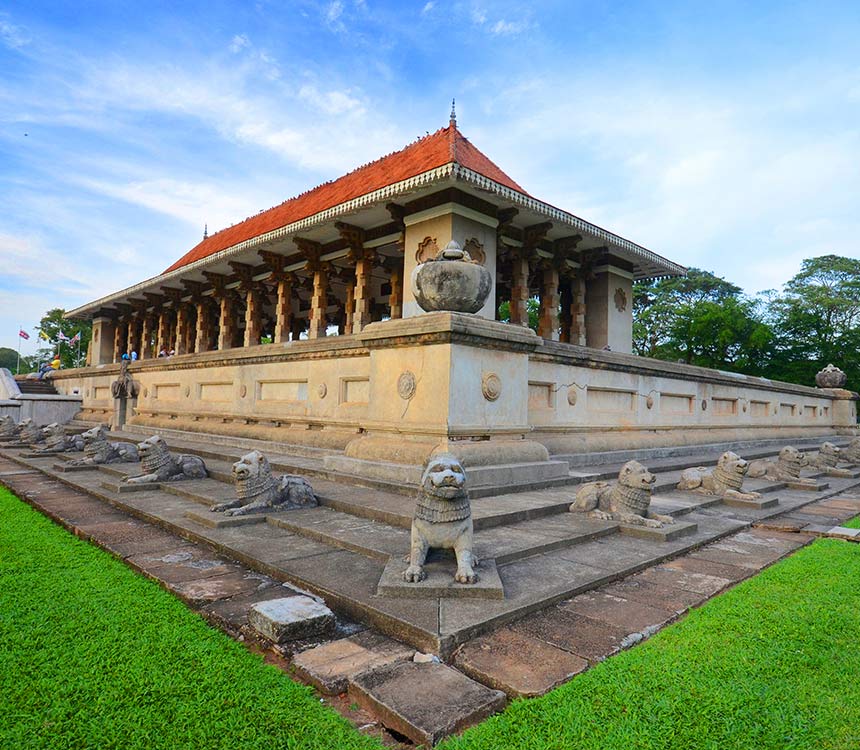
Independence Square in Colombo commemorates Sri Lanka's independence from British rule on 4 February 1948. The grand Independence Hall, inspired by the Audience Hall of the Kandyan kings, stands as a symbol of the nation's sovereignty. The surrounding parklands make it a beloved green space in the heart of the city.
.jpg)
LANDMARKS
Adam's Peak (Sri Pada)
Discover
Explore
LANDMARKS
Adam's Peak (Sri Pada)
At 2,243 metres, Adam's Peak is one of Sri Lanka's most sacred mountains. A conical summit bears a rock formation venerated by Buddhists as the footprint of the Buddha, by Hindus as that of Shiva, and by Christians and Muslims as that of Adam. Pilgrims ascend 5,500 steps through the night to witness the miraculous triangular shadow at sunrise.
LANDMARKS
Jami Ul-Alfar Mosque
Discover
Explore
LANDMARKS
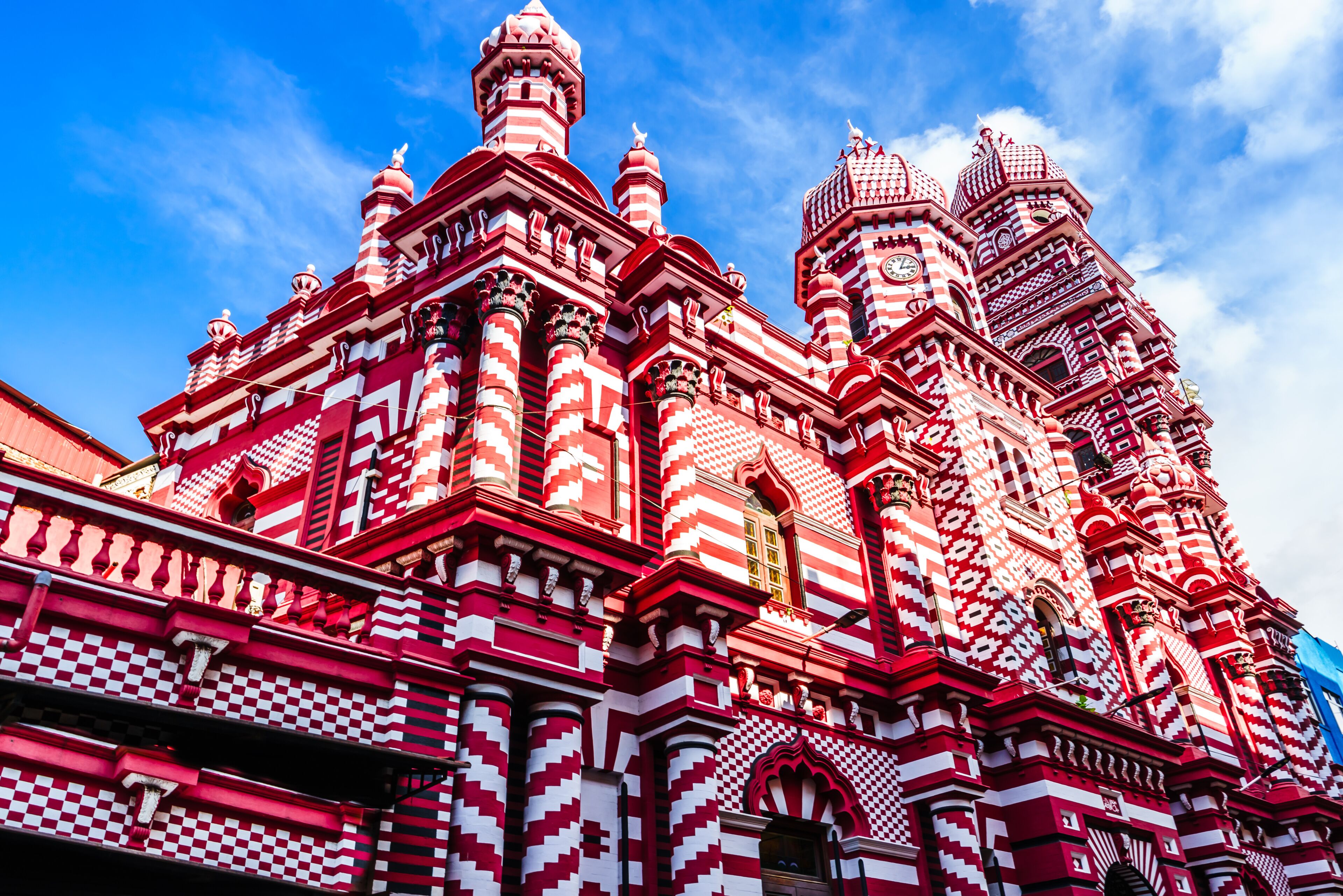
Jami Ul-Alfar Mosque
Built in 1909, the Jami Ul-Alfar Mosque — known locally as the 'Red Mosque' — is one of Colombo's most striking architectural landmarks. Its vivid red-and-white candy-stripe design and Indo-Saracenic minaret towers make it one of the most photographed buildings in Sri Lanka's bustling Pettah market district.
TEMPLES
Koneswaram Temple
Discover
Explore
TEMPLES
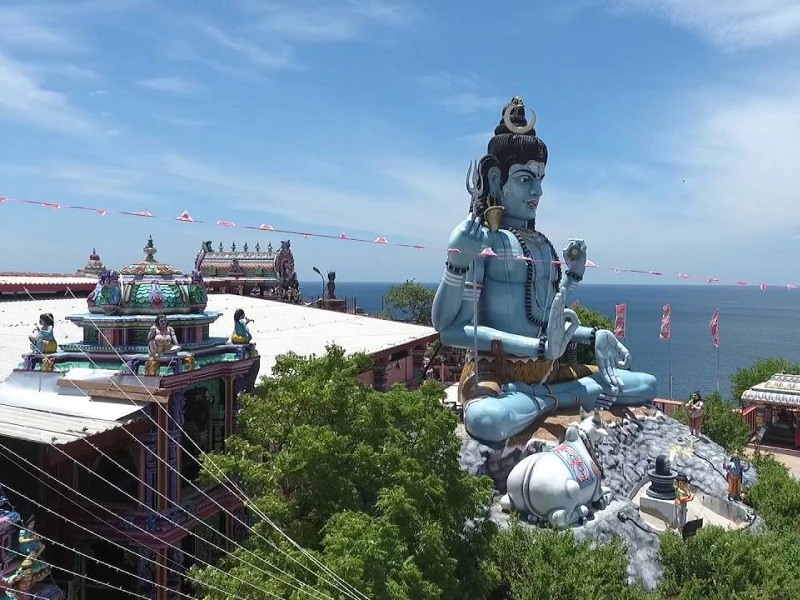
Koneswaram Temple
Perched dramatically on Swami Rock — a sheer cliff 130 metres above the Indian Ocean in Trincomalee — the Koneswaram Temple is one of the Paadal Petra Sthalams, a group of Hindu temples celebrated in Tamil Tevaram hymns. Its ocean panorama and ancient Shiva lingam make it one of the most spiritually powerful sites in South Asia.
TEMPLES
Seetha Amman Temple
Discover
Explore
TEMPLES
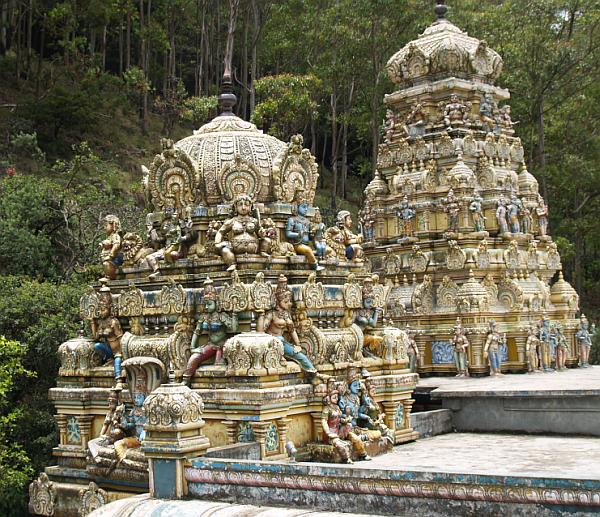
Seetha Amman Temple
Set in Nuwara Eliya's misty highland scenery, Seetha Amman Temple is dedicated to Sita, the consort of Lord Rama from the Hindu epic Ramayana. Legend holds that this is the precise spot where the demon king Ravana held Sita captive. The temple sits beside a cold mountain stream with naturally occurring footprints believed to be Hanuman's.