Between November and April, the deep blue waters off Mirissa become one of the world's greatest stages for marine wildlife. We joined a sunrise expedition in search of the largest animals ever to have lived on Earth.
The engines cut at 6:47am, fifteen kilometres off the coast of Mirissa. In the sudden silence, the ocean felt enormous — a flat, ink-blue immensity stretching to the horizon in every direction. Then the spout erupted: a column of condensed breath, perhaps four metres tall, catching the low morning sun. Then another. And another.
We had found a blue whale feeding aggregation: three individuals, including what appeared to be a mother and juvenile. Blue whales — Balaenoptera musculus — are the largest animals that have ever existed on Earth. The one closest to us was approximately 25 metres long and weighed an estimated 130 tonnes. It was the single most extraordinary thing I had ever seen.
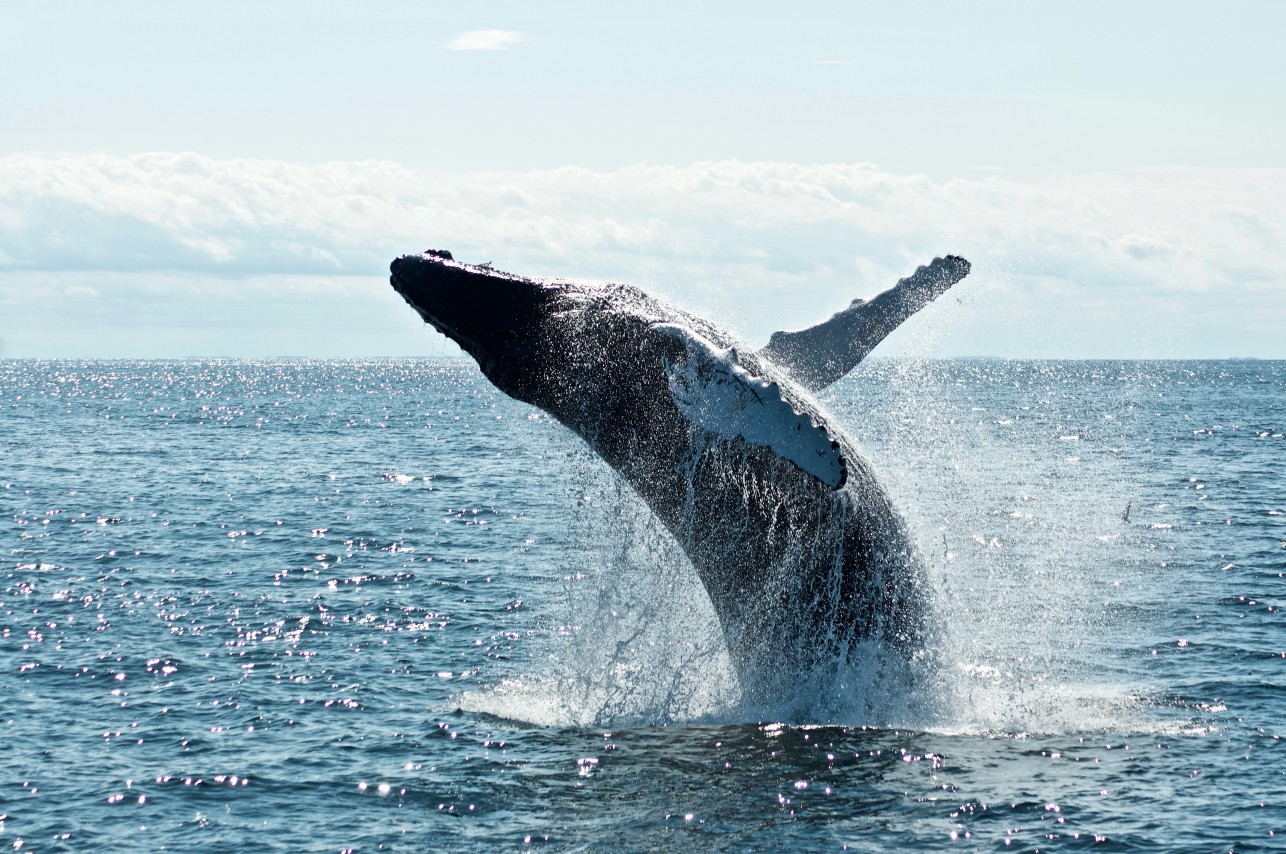
A magnificent blue whale surfacing in the deep waters off the coast of Mirissa.
Why Sri Lanka's Waters Are a Cetacean Hotspot
The waters off the southern Sri Lankan coast sit directly on one of the Indian Ocean's most productive cetacean migration corridors. The Sri Lanka continental shelf drops steeply just a few miles offshore, creating the upwelling conditions that concentrate krill — the primary food source for blue and fin whales. From November to April, individuals migrating between feeding grounds in the Bay of Bengal and the Arabian Sea pass directly through these waters.
It is not just blue whales. Mirissa's waters host a staggering diversity: sperm whales (year-round residents), fin whales, Bryde's whales, and enormous pods — sometimes hundreds strong — of spinner and bottlenose dolphins. Whale sharks occasionally make appearances in the warmer months. The sheer density of marine megafauna makes this one of the world's truly exceptional ocean wildlife destinations.
Choosing the Right Boat & Operator
The quality of operators in Mirissa is unfortunately uneven. The best expeditions are run by teams with naturalist guides on board, GPS tracking of known whale positions, and a genuine commitment to responsible whale watching guidelines (maintaining appropriate distances, no chasing of whales, engine cut when alongside animals). We work exclusively with operators who meet these standards.
“A blue whale surfaces for perhaps 10 seconds before diving again for 10 minutes. But in those 10 seconds — the eye that breaks the surface, the sheer scale of the creature — you understand something about the ocean that cannot be communicated any other way.”
— Nisali, Marine Naturalist
Expert Tip
Book the earliest possible departure (typically 6am) to avoid afternoon sea swells. Take motion sickness medication the night before if you are susceptible — the trip to the feeding grounds typically takes 1–2 hours at sea. Bring warm layers; the ocean can be surprisingly cold at dawn, even in the tropics.
- 1Best season: November to April (peak: January to March for blue whales)
- 2Expedition duration: 6–8 hours round trip
- 3Sighting guarantee: No responsible operator can guarantee, but success rates are very high Jan–Mar
- 4Species to expect: Blue whale, sperm whale, spinner dolphin, bottlenose dolphin
- 5Nearest airport: Mattala Rajapaksa (60km) or Bandaranaike International (180km)
Inspired by this story?
Let our experts craft a bespoke Sri Lanka experience tailored exclusively for you.
Enquire Now