The food of Sri Lanka is as diverse as its landscape — from Jaffna's fiery crab curry to Colombo's elegant modern kitchens. Our guide to the island's most extraordinary dining experiences.
Sri Lankan food is one of the world's great undiscovered culinary traditions. Shaped by two and a half millennia of trade — by Arab, Dutch, Portuguese, and British influences layered over an ancient Sinhalese and Tamil base — it is complex, deeply spiced, and infinitely regional. What you eat in Jaffna is nothing like what you eat in Kandy. The coast and the highlands have entirely different culinary vocabularies. To really understand this island, you must eat it.
The Essentials: Sri Lanka's Culinary Building Blocks
Rice and curry is the foundation of Sri Lankan daily eating — but the phrase 'rice and curry' conceals an extraordinary complexity. A proper Sri Lankan rice and curry is not one dish but a constellation: a mound of rice surrounded by four to six individual curries (typically including a fish or meat preparation, a dhal, a tempered vegetable, a sambol, and sometimes a mallung — a dry stir-fry of fresh leaves and coconut). Each element is distinct; the art is in the combination.
The spice palate is built on toasted Ceylon cinnamon, cardamom, cloves, and the uniquely Sri Lankan 'raw' and 'roasted' curry powder — the latter a dark, complex blend of roasted spices that gives Sri Lankan curries their distinctive earthy depth. Coconut features in almost every form: fresh coconut milk in curries, desiccated coconut in sambol and mallung, coconut oil for cooking, coconut toddy for drinking.
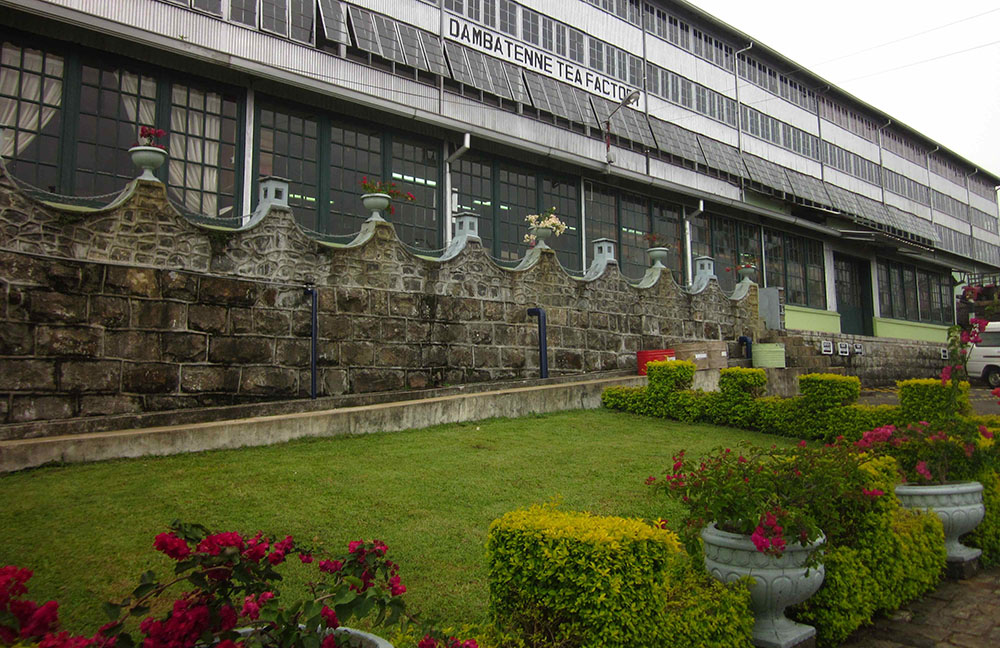
Sri Lanka's culinary identity is inseparable from its landscape — the same soil that grows its tea also feeds its extraordinary cuisine.
Regional Highlights
In the north, Jaffna Tamil cuisine stands apart from the island's Sinhalese traditions. Palmyra palm, dried fish, and a much fiercer use of chilli characterise the cuisine. The Jaffna crab curry — made with Sri Lanka's large blue crab, cooked in a fiery red gravy with freshly ground spices — is one of the most extraordinary dishes in South Asia. Do not miss it.
On the coast, fresh seafood is ubiquitous and extraordinary in quality. The prawn and lobster caught in the Puttalam Lagoon, the tuna landed daily in Mirissa and Tangalle, the cuttlefish cleaned on the beach at Negombo — when simply grilled with a rub of local spices and served with a squeeze of lime, these are as good as anything you will eat anywhere in the world.
“Sri Lankan food doesn't announce itself. It unfolds. The flavours build slowly and then stay with you long after the meal is over. That's what real complexity tastes like.”
— Nisali, Culinary Expert
Where to Eat: From Market Stalls to Fine Dining
The most authentic Sri Lankan food is found not in restaurants but in homes. Our private culinary experiences include home-cooked meals with families in Kandy, Galle, and the hill country — an opportunity to sit at someone's table, understand the cooking techniques firsthand, and share a meal that has nothing to do with the tourist economy. These are, without exception, the meals our guests remember most.
Expert Tip
For an introduction to the full breadth of Sri Lankan cuisine in a single meal, seek out a proper 'rice and curry' lunch at a local restaurant (not a hotel buffet). Order the day's set meal rather than from the menu — the freshest and most carefully prepared food is always what the family is eating that day.
- 1Must-try dishes: Kottu roti, hoppers (appa), string hoppers, fish ambulthiyal, pol sambol, Jaffna crab curry
- 2Best street food: Colombo's Pettah market, Galle Road hawkers, Ella's village cafés
- 3Vegetarian options: Excellent — Sri Lanka's Buddhist tradition ensures superb plant-based cooking
- 4Spice level: Genuine Sri Lankan food is hot; ask for 'medium spice' if you are uncertain
- 5Drinking: Ceylon tea (obviously), thambili (king coconut water), fresh lime juice
Inspired by this story?
Let our experts craft a bespoke Sri Lanka experience tailored exclusively for you.
Enquire Now